Single Grouser Track Shoes
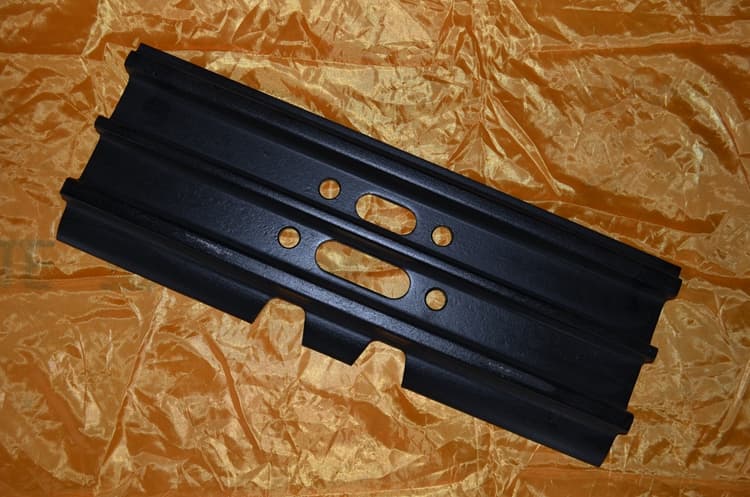
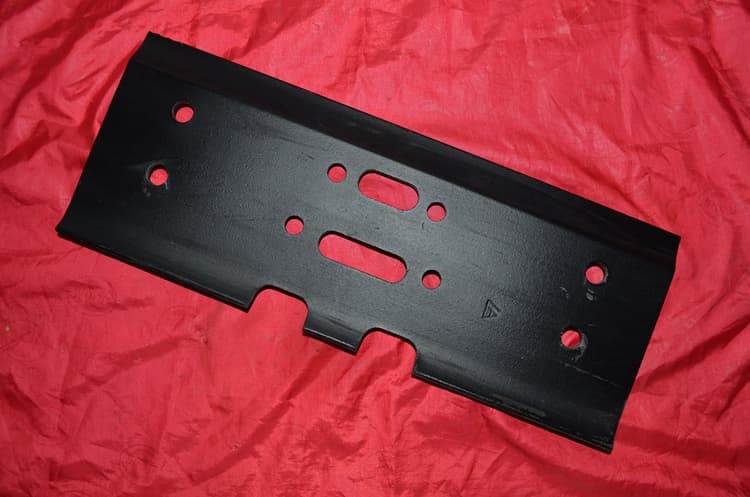
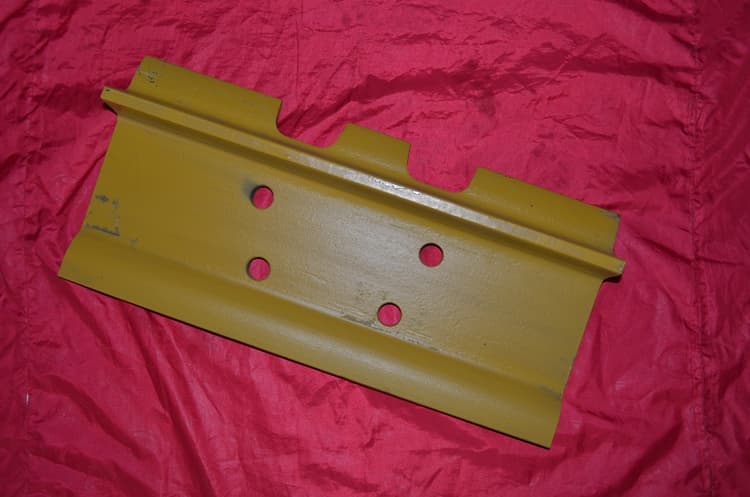
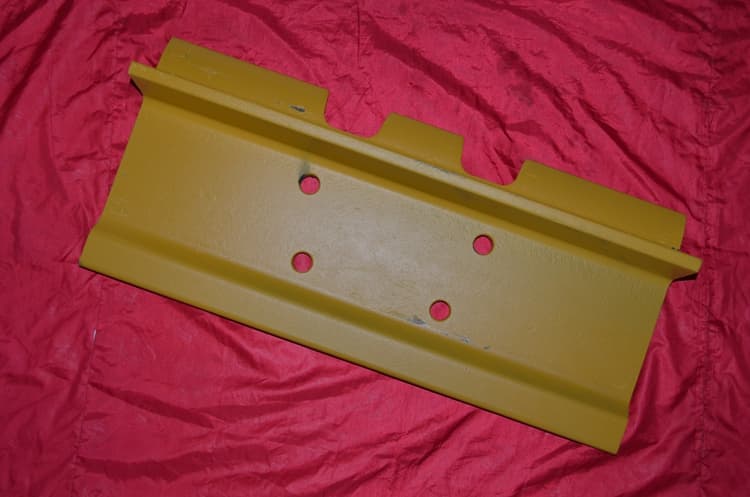
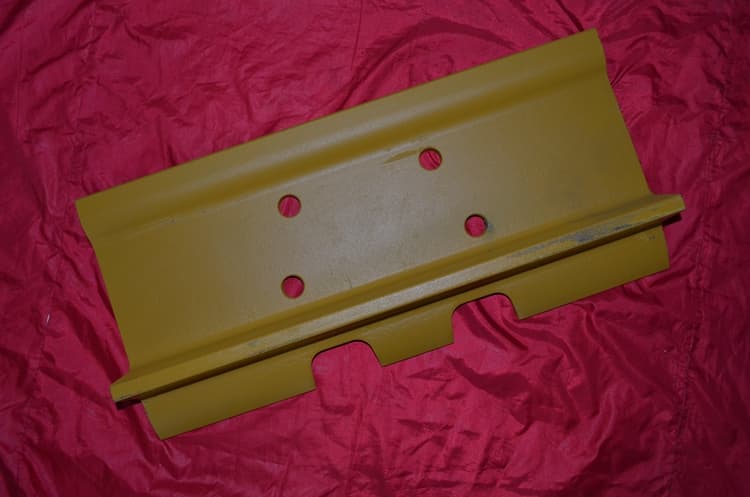
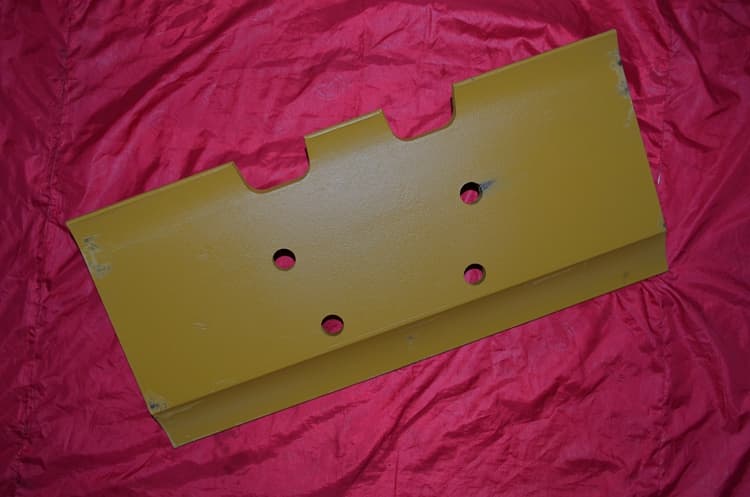
One raised grouser. A common bulldozer track shoe profile; confirm the shoe width, plate thickness and mounting pattern for the actual machine.
Ground-Contact Undercarriage Components
Track shoes are one of FY Machinery’s most established core product lines. Our factory started with track shoe production. Today, our production and international sales teams help you identify the required profile, dimensions and mounting pattern.
Grouser Configuration
A track shoe is the ground-contact plate attached to the track links. “Track plate” is another term buyers may use; the raised ribs are grousers. Single, double and triple describe the profile, while the correct replacement depends on the complete dimensions.
One raised grouser. A common bulldozer track shoe profile; confirm the shoe width, plate thickness and mounting pattern for the actual machine.
Two raised grousers. Found in excavator configurations, including some heavy-duty inquiries. Small and large shoes can use this profile for different reasons; two grousers alone do not define a performance grade.
Three raised grousers. A common excavator track shoe profile across a range of sizes. Check the specific chain interface and hole pattern; pitch or grouser count alone does not identify a replacement.
Excavator Application
Excavator track shoes provide the ground-contact surface fastened to the track links. The shoe and grouser configuration must be reviewed with the specific machine, track chain, and existing undercarriage arrangement.
View Excavator Undercarriage PartsBulldozer Application
Bulldozer track shoes, also searched for as dozer track shoes, work within the same complete track system. Machine and interface details are needed because appearance or machine type alone does not confirm the correct replacement.
View Bulldozer Undercarriage PartsFY Measurement Guide
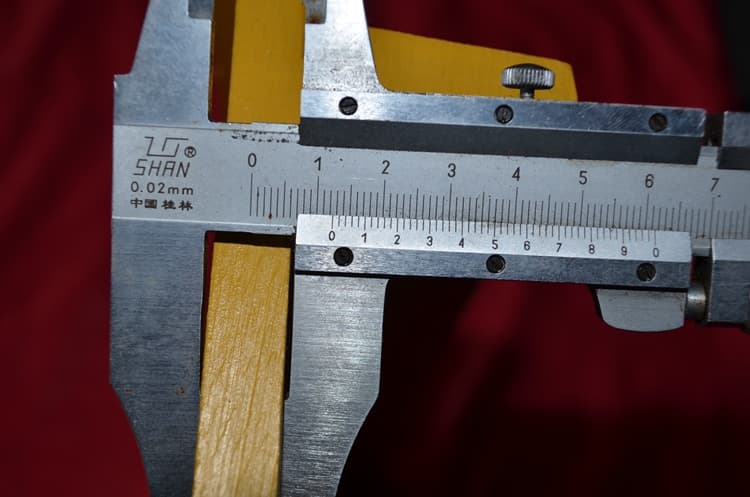
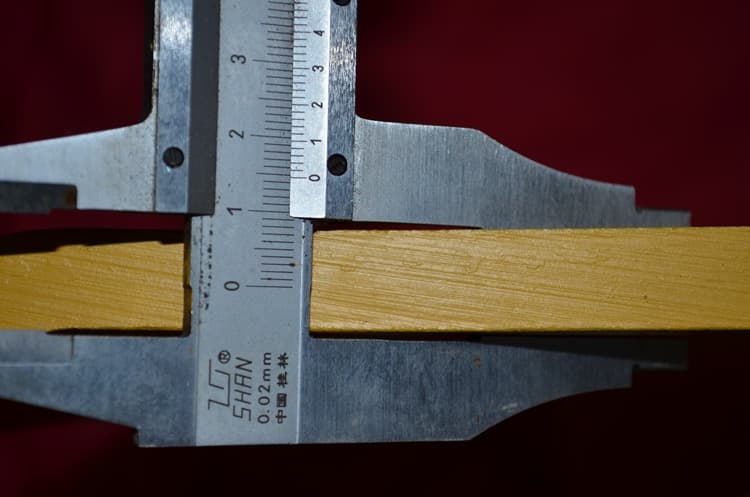
Start with shoe width, plate thickness and grouser type. Then record the mounting-hole pattern. Use millimetres and send a marked photo or drawing with your measurements.
FY schematic · Not to scale · Four-hole example. Other holes, slots and profiles may be present. “Upper” and “lower” follow the orientation shown here.
1Shoe Width: the long edge across the track. Our factory may call this “length”; it is L in the reference table source.
7Front-to-Rear Dimension: the other edge. Record it separately; do not use it as track-chain pitch.
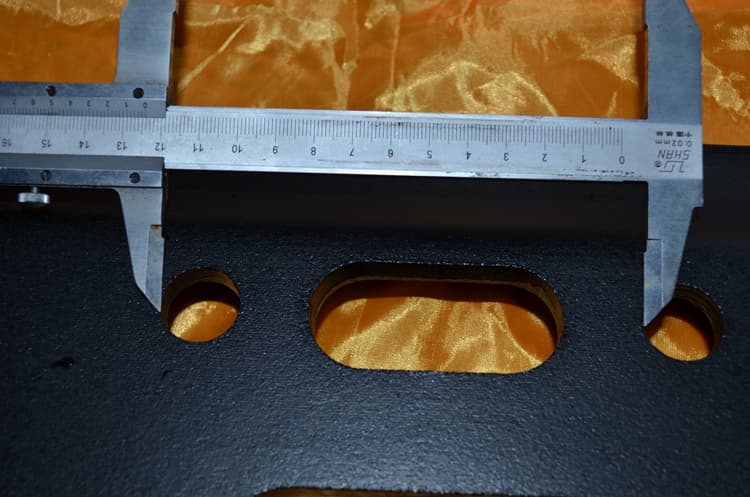
3Bolt Hole Diameter: measure across the mounting hole; identify different hole groups separately.
45Upper / Lower Hole Center Distance: measure each row centre to centre.
6Vertical Hole-Row Distance: the perpendicular distance between the rows, never the diagonal.
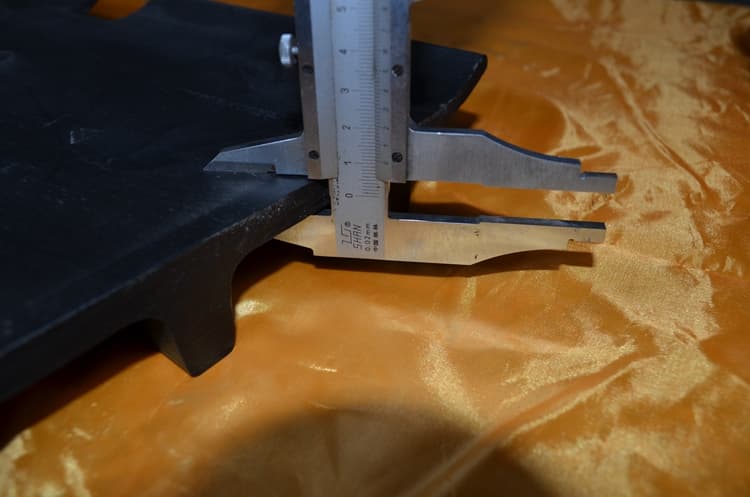
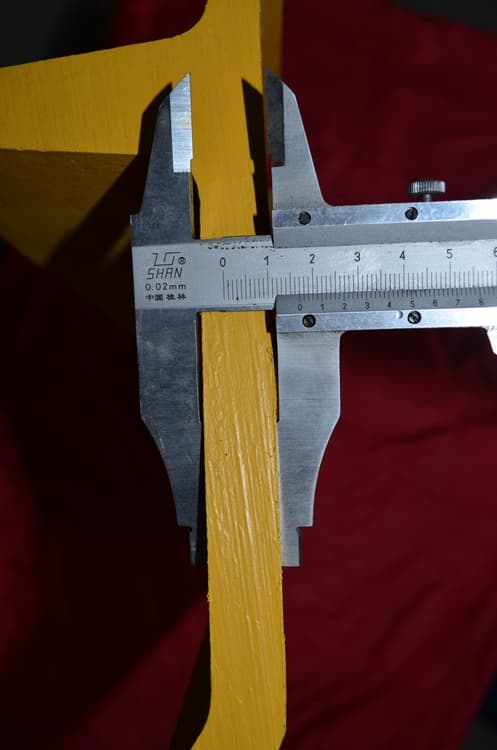
2Plate Thickness: measure the plate itself, not the plate plus the raised grouser. This is N in the reference table source.
For an existing worn shoe, send the measured value and photos; we will review the required replacement thickness.
Selected Reference Specifications
These are selected representative specifications, not the full range. Multiple widths, thicknesses and mounting patterns are available within the same pitch/grouser family.
All dimensions in mm. Track Pitch shows the nominal pitch family identified by the listed series. Confirm the exact chain pitch for your machine; shoe width and front-to-rear dimensions are separate measurements. Hole measurements follow the upper/lower orientation in the FY guide above.
Final specification must be confirmed using machine model, part number, drawing, or measured dimensions. Specification labels and model names are references, not OEM part-number claims or confirmed fitment, stock or supply commitments.
Tap a series for mounting-hole dimensions and model references.
Reference models: D31
Reference models: K907, T90, T100
Reference models: TY130, T140, T150, TY160, TBY160, D60, D65
Reference models: D80, D85, TY220, D85A-12
Reference models: D155, D150, TY330, TY320B, DGY70
Reference models: D9N, D10
Tap a series for mounting-hole dimensions and model references.
Reference models: PC60-3–5, S50, D20
Reference models: PC60-6
Reference models: HD880
Reference models: Confirm with drawing
Reference models: PC300-1
Reference models: EX300-3
Reference models: PC400-5
Reference models: PC300-6, EX300-5
Cannot find your specification? Additional widths, thicknesses, mounting patterns and special configurations are available on request. Send your drawing, part number, photos or measured dimensions so we can confirm the final specification.
Check My Track ShoeHeavy-Duty & Special Requirements
For heavy-duty or mining-oriented inquiries, double-grouser configurations may be part of the discussion. Grouser count alone does not determine the required grade or suitability.
FY can review thicker, heavier and special mounting configurations against your requirements. Our track shoe production experience includes a broad range of specifications and dedicated tooling.
Laser cutting is available for selected special requirements, with the process and scope confirmed for the specific order. Send the working conditions, required profile, mounting dimensions and any inspection requirements so our production and sales teams can review them together.
Discuss a Special Track Shoe →Product Media
Machine Application
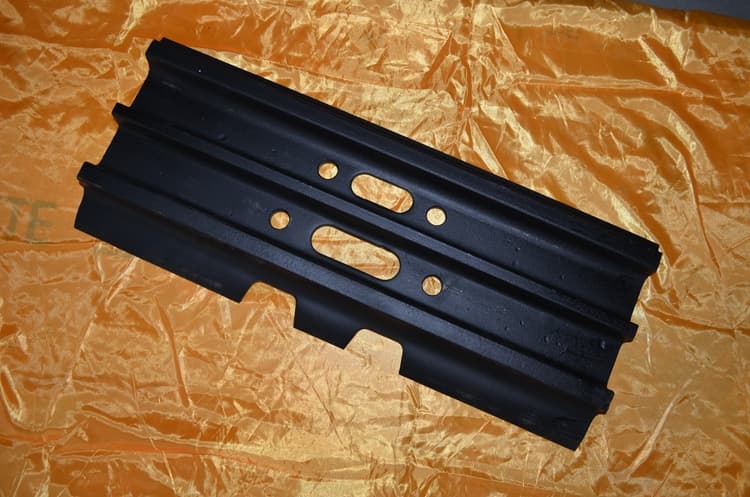
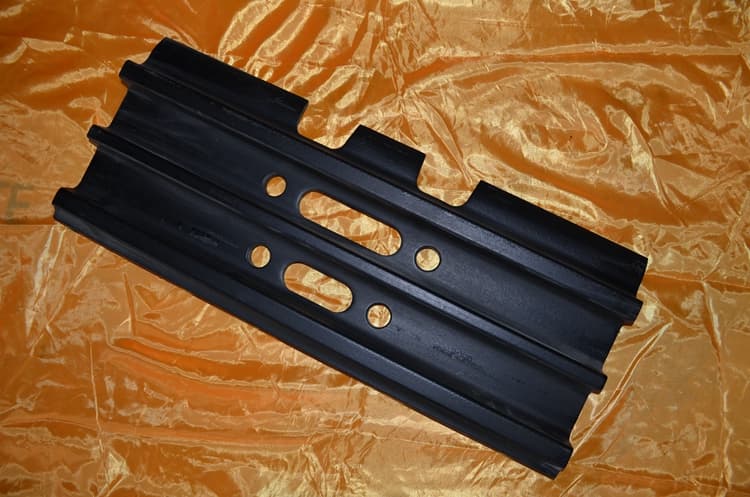
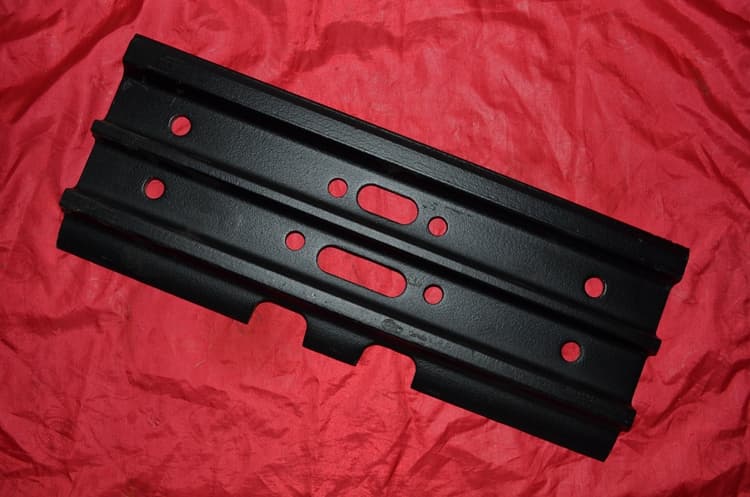
Machine Application
Inspection Clues
These observable clues can justify qualified inspection of the shoe and related track components. They are not universal wear limits, replacement thresholds, torque values, or repair instructions.
Follow machine-specific service information and qualified technical judgment. The actual undercarriage and working context must be assessed before any service decision.
Replacement-Part Matching
A machine model alone may not be enough. Start with the model, required shoe width, plate thickness and grouser type. A part number, drawing, existing-shoe photos or measured dimensions help us narrow down the correct configuration.
Read the buyer guideProvide the make and complete model designation shown in the machine records or on the identification plate.
Share a reliable number from the current shoe, parts book, drawing, or previous purchase record when available.
Send clear overall views plus close-ups of the shoe profile, fastener area, interfaces, markings, and visible concerns.
Send the drawing if available, or measure shoe width, front-to-rear dimension, plate thickness, bolt-hole diameter and the three hole-row distances shown in our guide. Include units and a marked photo.
Show or describe the related track links or chain so the shoe is reviewed as part of the actual track arrangement.
Identify the current shoe profile and visible grouser configuration instead of selecting from terminology alone.
State whether the inquiry is for shoes only or a wider track assembly, and provide the required quantity.
B2B Supply Support
Our factory and international sales team work together on track shoe requirements. We review drawings, dimensions and the required configuration, then coordinate quotation, production follow-up and packing for the agreed order.
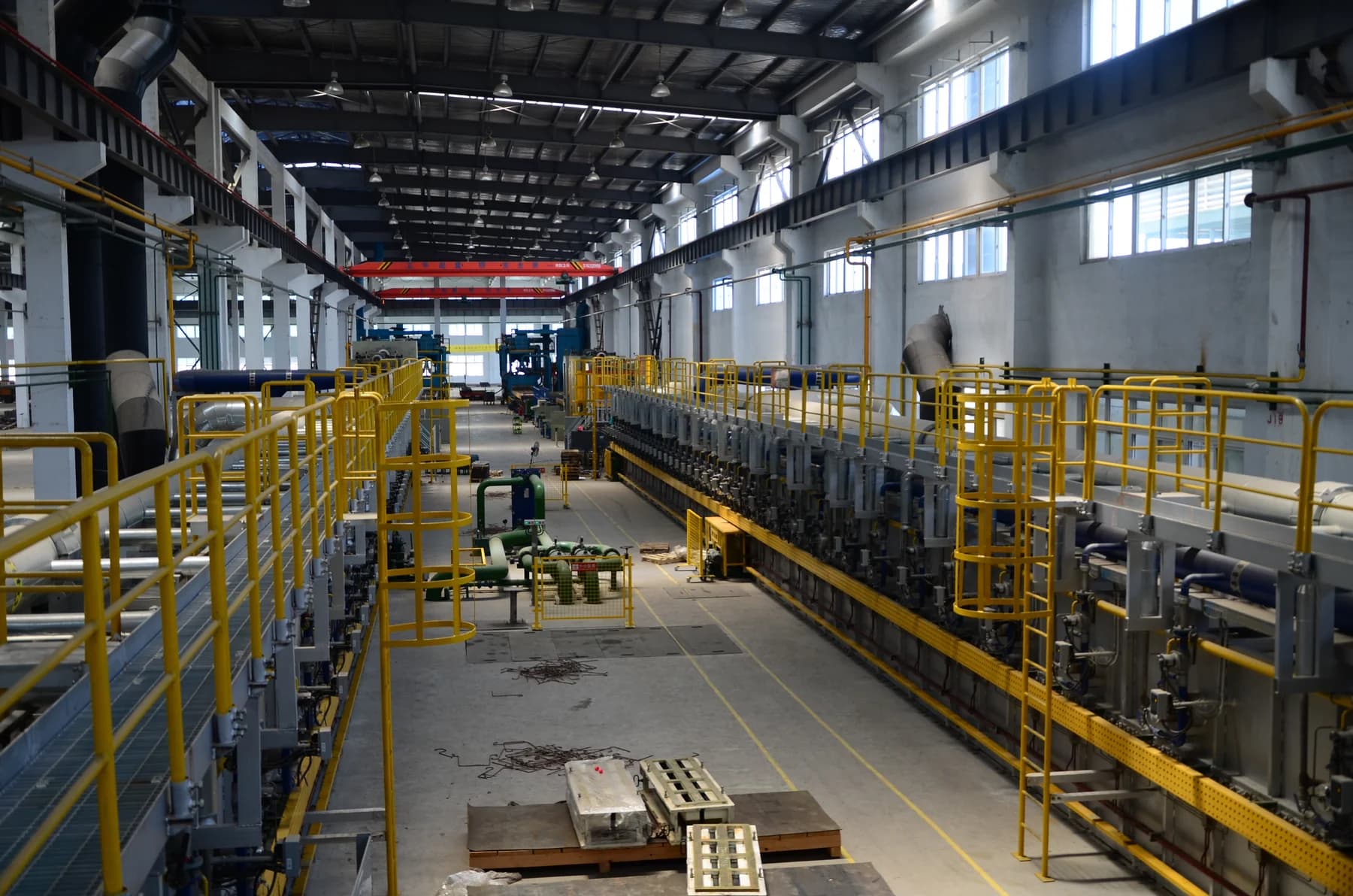
Our factory started with track shoes. Longstanding production experience and dedicated tooling support review of standard and special requirements.
Machine details, part references, photos, requested measurements or interface references, configuration, requested scope, and quantity are reviewed together.
Confirmed references, quantities, and agreed order requirements support practical quality and order follow-up.
Production-site visits can be coordinated where appropriate to the product, order stage, and agreed arrangement.
Related Track System Parts
Linked components that carry the fastened track shoes.
Lower rollers supporting and guiding the loaded track path.
Drive components working with the linked track system.
A wider requested scope that may include chains and shoes.
Components guiding the track around the undercarriage.
Buyer Questions
Shoe width on this page means the long edge across the track, left to right. Our factory may call that dimension length. The front-to-rear dimension and plate thickness are separate measurements; follow the diagram when sending dimensions.
No. The selected specifications and model references help prepare an inquiry. Final fitment, dimensions and supply scope must be confirmed against the machine model, part number, drawing or measured dimensions. Additional sizes and special configurations are available on request.
Excavator track shoes are the ground-contact components fastened to the track links. They move with the track chain and work with the rollers, idler, and drive components as part of the complete undercarriage track system.
Track Shoe is the primary product term on this page. Track Plate may be used in some buyer, supplier, market, or catalog terminology, but naming varies, so the terms should not be assumed to have one universal meaning in every inquiry.
A grouser is the raised traction feature or configuration on a track shoe. It describes part of the shoe profile and is not an unconditional synonym for the complete track shoe.
The terms describe industry configurations with one, two, or three raised grouser features. They do not establish universal suitability or availability. The correct configuration and FY supply availability must be confirmed for the specific machine and inquiry.
A machine model alone may not be enough. Send the model, shoe width, plate thickness and grouser type, together with a part number, drawing, existing-shoe photos or measured mounting dimensions. Include quantity and destination.
Request for Quotation
Send your machine model, part number, drawing, existing-shoe photos or measured dimensions, plus grouser type, quantity and destination. Start with the information you have; our team will help clarify the remaining details before quotation.