Identification & Matching
Track Roller vs Carrier Roller: How to Identify the Part You Need
Learn how track rollers and carrier rollers differ by position and role, and what machine, photo, part-reference, and quantity details to prepare for an undercarriage parts inquiry.
By FY Machinery
An undercarriage inquiry that asks for a roller may mean a lower track roller or an upper carrier roller. Buyers may also use bottom, lower, top, or upper roller names, so the word alone does not clearly identify the required part.
This guide helps excavator and bulldozer parts buyers describe the roller's position and prepare useful references for supplier review. It explains the distinction, not a method for confirming fitment from a name or photograph alone.
1. Track roller: the lower roller position
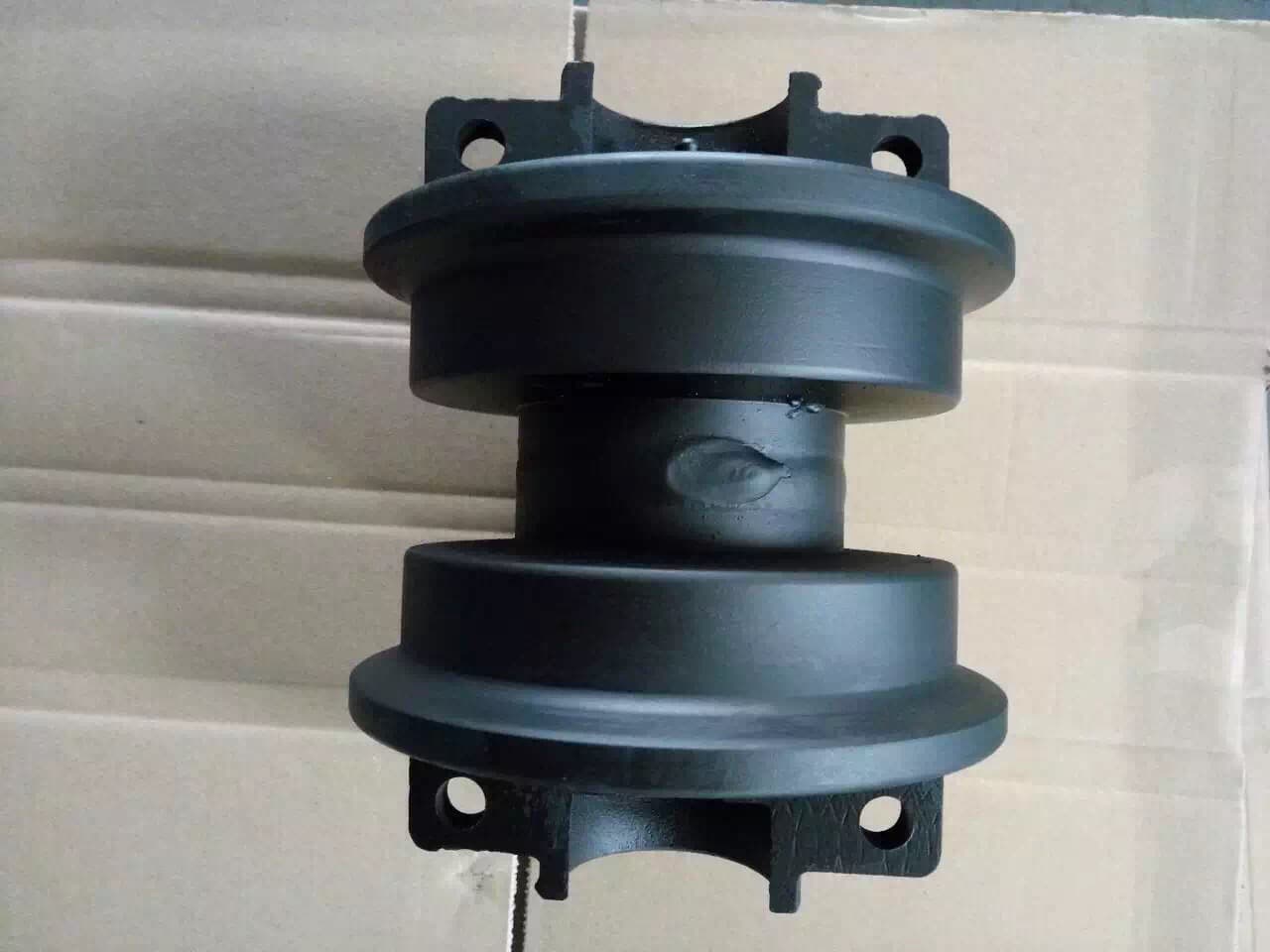
A track roller supports and helps guide the lower, load-carrying run of the track chain along the undercarriage. Bottom roller and lower roller are names buyers may encounter for this lower-position component.
Identifying the lower position is a useful first step, but it does not determine the correct replacement. The machine, actual roller configuration, and reliable part or interface references still need review; a similar appearance is not proof of fitment.
2. Carrier roller: the upper return position
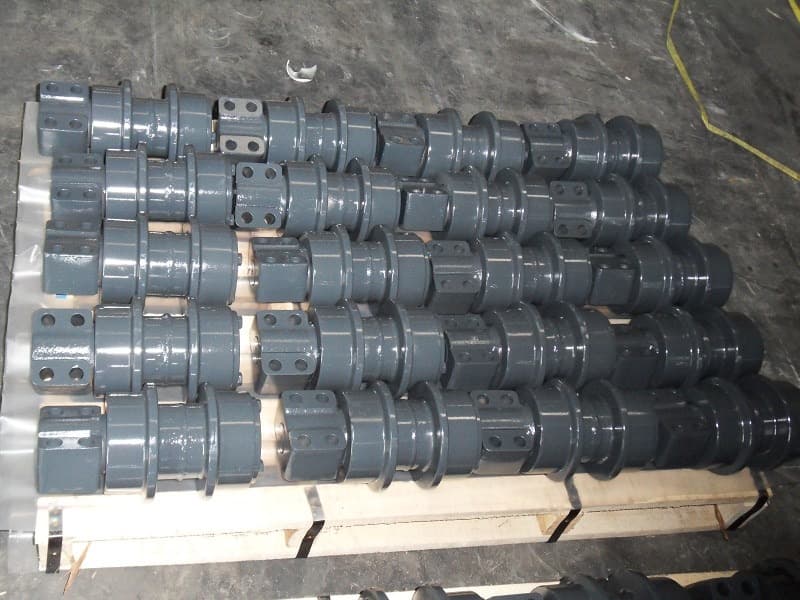
On an applicable excavator or bulldozer configuration, a carrier roller supports and helps guide the returning upper run of the track chain. Top roller and upper roller may be used for this part, but naming and the upper roller arrangement can vary by machine and catalog.
A carrier roller occupies a different position and serves a different role from a lower track roller. The two should not be treated as interchangeable merely because both may be described as rollers.
3. Names buyers may encounter
Part names can differ between buyers, suppliers, and catalogs. Use the name as a starting description, then confirm which track path and actual component the request concerns.
If a name is uncertain, describe where the roller sits on the machine and send a photo of that position when possible. Do not select a replacement solely from an alternate name.
Lower track path
Track roller, bottom roller, or lower roller may describe the lower-position component.
Upper return path
Carrier roller, top roller, or upper roller may describe the upper-position component on applicable machines.
4. How to identify the roller in an inquiry
Start with the machine make and complete model, then say whether the requested roller is on the lower track path or the upper return path. Include a reliable part or reference number if one is available; otherwise say that the number is not known rather than guessing.
Show the complete part in a clear photo and, where useful, its position on the machine, mounting area, and visible markings. These views help explain the request, but photographs and position alone do not confirm compatibility.
5. What to send for product matching
For a roller-specific review, combine the machine details with the lower-or-upper position, any dependable part reference, clear overall and mounting-area photos, and the required quantity. If the machine uses an upper carrier-roller arrangement, show the relevant upper track-chain context when it can be photographed safely and clearly.
Provide mounting or interface measurements with units when requested for the particular roller. The useful measurement points depend on the part, so this guide does not prescribe universal dimensions or treat one measurement as proof of a match.
6. Next step: request a reviewed quotation
Send the confirmed roller information through the RFQ form, including any detail that remains uncertain. FY Machinery, a specialized supplier of excavator and bulldozer undercarriage parts, can review the references for product matching and coordinate sourcing with relevant partner factories.
A review may identify further details needed before a quotation is prepared. This guide does not guarantee fitment, availability, pricing, or delivery timing.
Continue Your Review
Related undercarriage parts resources
Track Rollers
Review lower track roller terminology, product examples, and matching details.
View Resource →Carrier Rollers
Review upper carrier roller applications and the details used for matching.
View Resource →Undercarriage Parts Identification Guide
Prepare the broader machine and part information for an undercarriage inquiry.
View Resource →